

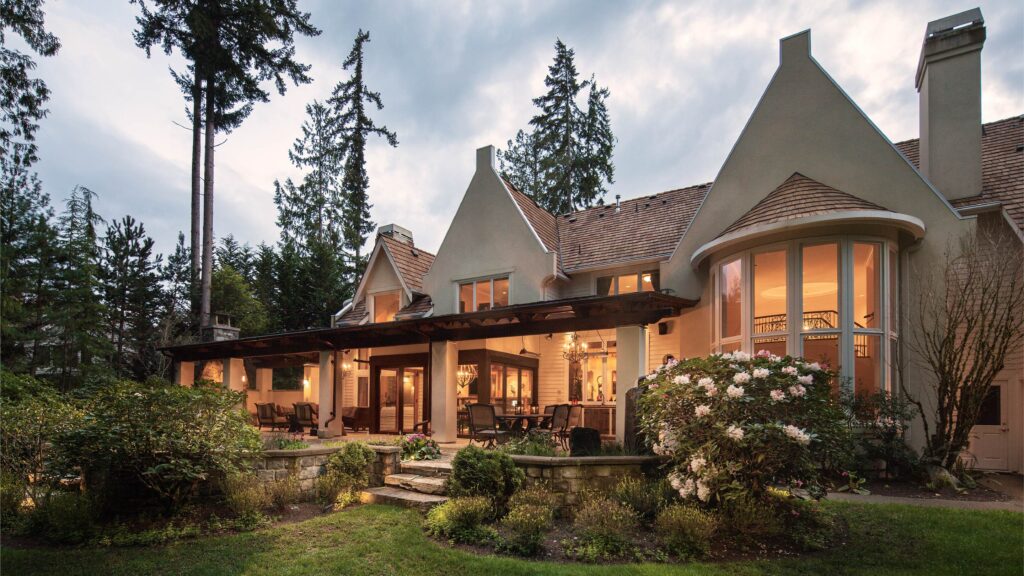
There is a reason some homes still feel beautiful twenty or thirty years after they were built.
Usually, it has very little to do with whether the kitchen is current or the tile is having another moment. Those things change. They should. A home has to live through decades of changing taste.
What lasts is the architecture underneath it.
The homes that age well tend to have a sense of order to them. The rooms relate to one another. The windows make sense for the light and the view. Materials feel like they belong to the setting. There is enough detail to give the house character, but the architecture is not constantly asking to be admired.
Most importantly, the house feels like it was made for someone.
That is where timelessness starts.
Good Proportion Is Doing More Work Than You Think
People tend to notice finishes first because finishes are easy to name. White oak. Limestone. Brass. A particular countertop.
Proportion is harder to point to, but it has far more influence on whether a room feels right.
A ceiling can be technically impressive and still feel too tall for the room beneath it. A beautiful bank of windows can overwhelm a wall. A hallway can be only a little too narrow and somehow make the entire transition between rooms feel awkward.
These are small relationships, but architecture is full of them.
When they are handled well, you rarely walk into a room and think, What excellent proportions. You just feel comfortable there.
That kind of ease is difficult to fake later with furnishings or finishes. It has to be built into the bones of the house.
Light Should Have Somewhere to Go
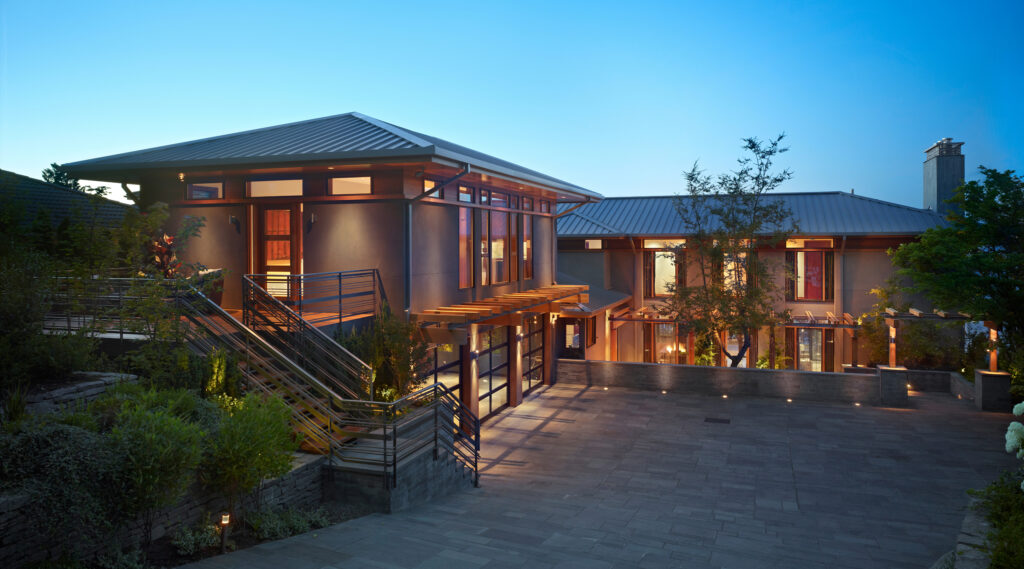
Natural light is one of the most powerful materials in a home, and in the Pacific Northwest especially, it deserves more thought than simply adding larger windows.
Light changes constantly here. A room that feels bright on a July afternoon can become quite different in November.
Good architecture anticipates that.
The placement of a window might capture softer morning light where someone drinks coffee every day. Another might pull your eye across the room toward water or trees. An overhang can temper summer sun while still allowing winter light deeper into the house.
We often talk about light as something considered from the beginning of the design process because it shapes the experience of the architecture itself.
There is also something deeply human about a house changing with the day. A patch of late-afternoon sun moving across the floor is a tiny thing, but those are often the moments people actually remember about living somewhere.
A House Should Make Sense Where It Is
One of the quickest ways for a custom home to feel generic is for the architecture to ignore the land around it.
The site already has opinions.
There may be a view worth orienting an entire room toward. There may be trees that create privacy, a slope that suggests how the house should step down, or weather coming from one direction that changes where an outdoor room will actually be comfortable.
The best homes seem to have listened.
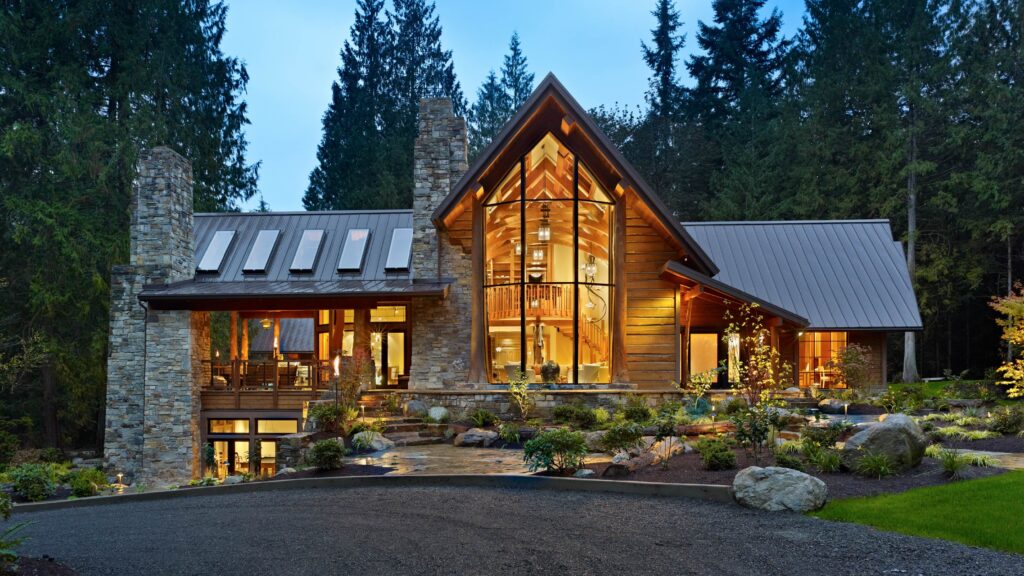
This is also where material choices become more interesting. Stone feels different when it relates to the landscape outside. Wood carries more meaning when it connects interior spaces to the trees beyond the glass. Materials gain depth when they are part of a larger architectural idea rather than selected one surface at a time.
We think of this work in terms of light, form, place, and materials. Place matters because a custom home should feel difficult to separate from its setting.
The Floor Plan Should Know How You Live
A beautiful house can still be frustrating.
Maybe everyone enters through the garage but there is nowhere sensible to drop a bag. Maybe the kitchen photographs wonderfully but two people cannot comfortably cook in it together. Maybe the formal rooms receive the best light while the spaces the family uses every day are tucked somewhere darker.
These are architectural problems too.
A truly custom home should pay close attention to ordinary life. Where people land when they come home. Whether dinner tends to involve ten people around a table or two people eating at the island. Whether someone wants a quiet room away from the rest of the household, or prefers nearly everything to happen together.
Those details will vary enormously from one family to another, which is exactly the point.
Our philosophy has long centered on designing homes around the lifestyles of the people who will inhabit them. A house becomes more personal when those habits influence the architecture early, before the plan hardens into rooms and square footage.
Details Matter Most When They Belong
Beautiful architecture rewards attention.
Sometimes that is obvious craftsmanship: custom millwork, a carved stair rail, carefully laid stone. Sometimes it is much quieter. A window aligns with a doorway across the room. A ceiling detail continues just far enough to connect two spaces. The same shape appears again somewhere else in a different form.
Those decisions give a house rhythm.
The danger is treating detail as decoration. More detail does not necessarily create more character. In fact, some of the strongest architectural moments happen because someone knew where to stop.
A detail earns its place when it strengthens the larger idea of the house.
Timeless Homes Are Usually Quite Personal
This may be the part of timeless design that gets misunderstood most often.
Trying to make a home universally appealing can drain the life out of it.
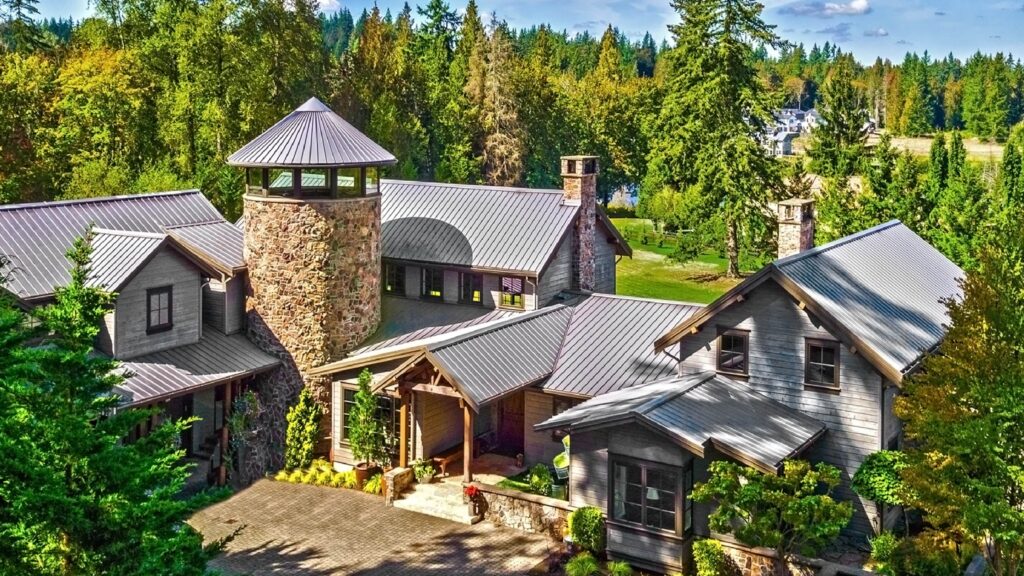
The houses people remember tend to have conviction. They reflect someone’s tastes, rituals, collections, family history, or slightly peculiar way of living. They may contain decisions another homeowner would never make.
Good.
A custom home should reveal something about the people who commissioned it.
That idea sits at the center of Gelotte Architecture’s work. The firm’s stated goal is to create distinctive homes that reflect the lives of the people inside them, allowing the architectural style to respond to each client’s story rather than applying the same visual formula repeatedly.
And perhaps that is the real secret behind a home that lasts.
People tire of trends. They are much less likely to tire of a home that fits them extraordinarily well.
A timeless home is one where proportion, light, place, daily life, and detail have all been considered together. Years later, finishes may change and rooms may be used differently. The architecture still holds.
That is the part worth getting right.
At Gelotte Architecture, we have spent more than forty years helping clients work through those decisions and turn a personal vision of home into architecture built to endure. If you are beginning to imagine your own custom home, we would be glad to start with a conversation.